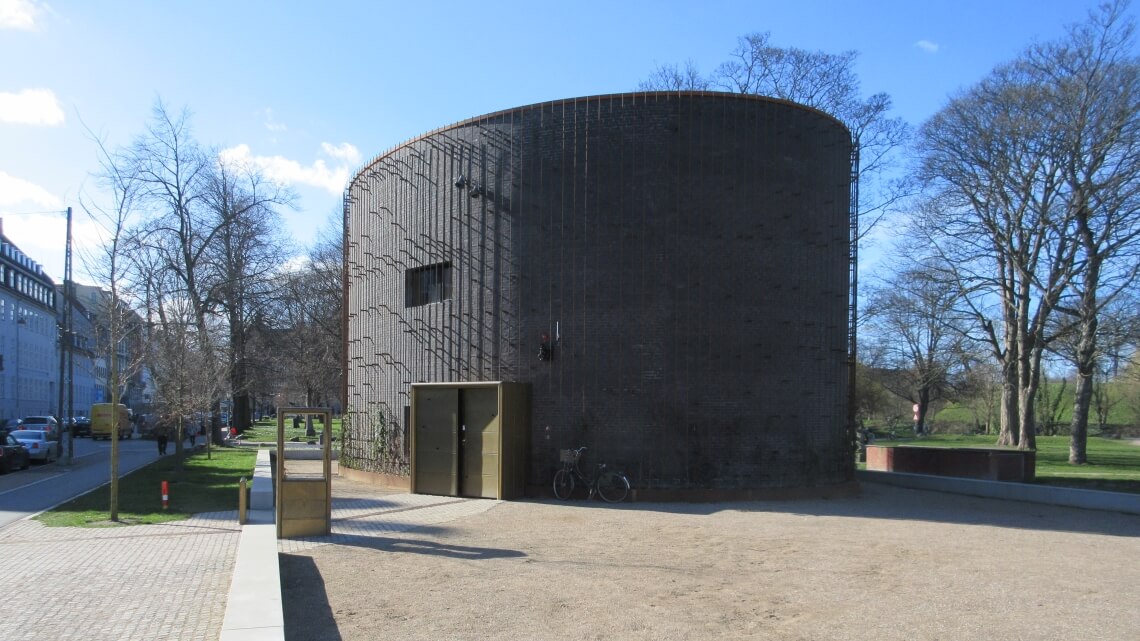
Located in Churchillparken near Kastellet, the museum tells the story of Denmark during the German occupation from 1940 to 1945 and the people who chose to resist.
Visit the Museum of Danish Resistance in Copenhagen
The Museum of Danish Resistance, also known as Frihedsmuseet, is a must-visit attraction for travellers interested in World War II, Danish history and the personal stories behind life under occupation. The museum is modern, immersive and thought-provoking, making it one of Copenhagen’s most meaningful cultural stops.
If you are arriving at Copenhagen Airport, booking car rental through Terminal3.dk gives you a flexible way to reach your hotel, travel with luggage and explore attractions beyond the city centre. For the Museum of Danish Resistance itself, the best approach is usually to park nearby and explore Churchillparken, Kastellet and the harbour area on foot.
What is the Museum of Danish Resistance?
The Museum of Danish Resistance tells the story of the Danish resistance movement during the German occupation of Denmark from 1940 to 1945. Rather than presenting history only through dates and military events, the museum focuses on people, choices and consequences.
Visitors learn how ordinary citizens, students, workers, police officers, politicians and underground resistance groups responded to occupation. The exhibition explores sabotage, illegal newspapers, secret communication, intelligence work, arrests, executions, collaboration, fear and moral dilemmas.
An underground museum about underground resistance
One of the most memorable parts of the museum is the design itself. Much of the exhibition is located underground, which fits the subject of hidden networks, secret resistance activity and life under pressure during the occupation years.
The museum uses sound, light, objects, film, personal stories and interactive displays to help visitors understand what it meant to make difficult choices during wartime. It is not only a museum about heroes; it is also a museum about uncertainty, risk and the complicated reality of occupied Denmark.
What you can see inside the museum
The exhibition includes historical objects, photographs, documents, personal accounts and recreated scenes from wartime Denmark. Visitors follow the occupation years and see how resistance developed from small acts of defiance into organised underground activity.
Highlights include:
- Stories of Danish resistance fighters and the choices they faced during occupation
- Illegal newspapers and printed material used to spread information outside German control
- Objects connected with sabotage, communication and underground networks
- Personal accounts showing how occupation affected everyday life
- Exhibits about arrests, danger and consequences for those who resisted
- Interactive elements that help visitors understand moral choices and wartime dilemmas
Why the museum is worth visiting
The Museum of Danish Resistance is especially valuable because it explains World War II history from a Danish perspective. Many visitors know the broad history of the war, but fewer understand what occupation meant for Denmark and how the resistance movement developed over time.
The museum is also suitable for travellers who want a deeper and more serious Copenhagen experience beyond palaces, shopping streets and harbour views. It is moving, educational and highly relevant for anyone interested in European history.
How long should you spend at the Museum of Danish Resistance?
Most visitors should allow around one to two hours for the museum, depending on how deeply they want to read, listen and interact with the exhibits. If you are very interested in World War II history, allow extra time.
The museum can be intense because of the subject matter, so it is a good idea to combine it with a walk in Churchillparken or Kastellet afterwards.
Attractions near the Museum of Danish Resistance
The museum is located in one of Copenhagen’s best areas for combining history, architecture, green space and harbour views.
Kastellet
Kastellet is a well-preserved star-shaped fortress with green ramparts, walking paths, historic buildings and peaceful views. It is directly beside the museum and is ideal for a walk before or after your visit.
The Little Mermaid
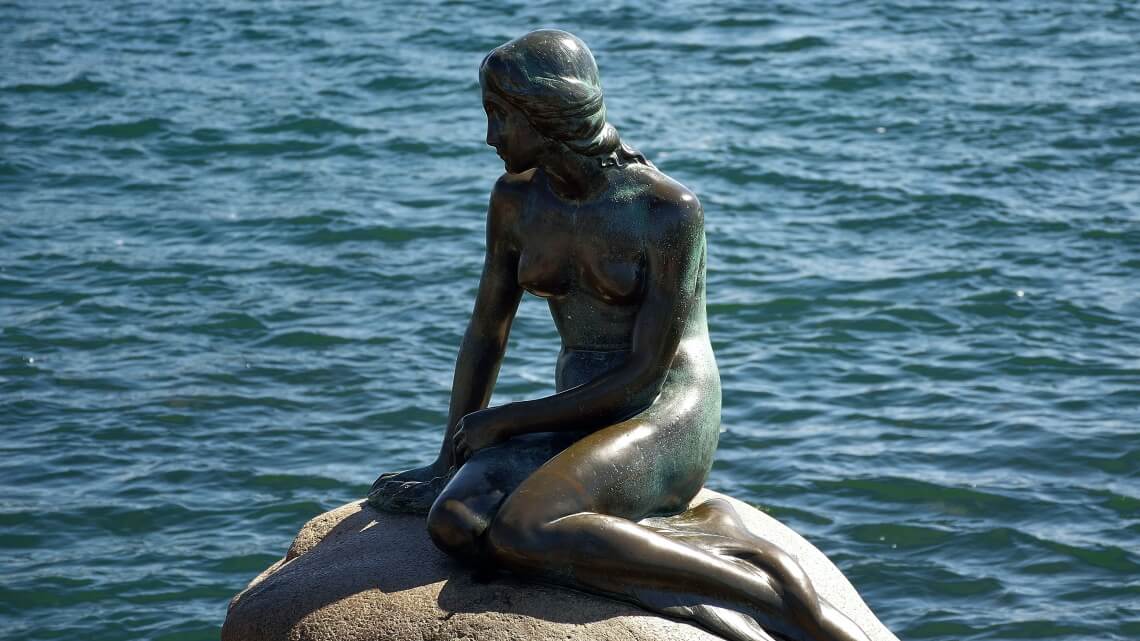
The Little Mermaid statue is a short walk from the museum and Kastellet. It is one of Copenhagen’s most famous landmarks and an easy addition to the same route.
Nyboder
Nyboder, with its historic yellow houses and naval history, is close to the museum. It connects well with a Copenhagen route focused on military, maritime and royal history.
Amalienborg Palace
Amalienborg Palace, the winter residence of the Danish royal family, is also nearby. It can be combined with the museum, the Marble Church and the harbourfront.
The Marble Church
The Marble Church, officially Frederik’s Church, is one of Copenhagen’s most impressive architectural landmarks and is within easy reach of the museum area.
Should you drive to the Museum of Danish Resistance?
You can drive into the wider area, but the museum is in central Copenhagen, where parking may be paid, limited or restricted. If you are visiting with a rental car, use an official parking area nearby, check local parking signs carefully and continue on foot.
A practical plan is to use your rental car for travel from Copenhagen Airport, hotel access and day trips, then park once when visiting the Museum of Danish Resistance, Kastellet, the Little Mermaid, Nyboder and Amalienborg.
Why rent a car at Copenhagen Airport?
For short distances inside Copenhagen’s city centre, walking, cycling and public transport are often convenient once you have parked. However, renting a car at Copenhagen Airport is very useful if you are travelling with luggage, children or a group, staying outside the centre, visiting family or planning day trips beyond Copenhagen.
With a rental car from CPH Airport, you can combine the Museum of Danish Resistance and central Copenhagen with historic destinations across Zealand and the wider Copenhagen region.
Easy history-focused day trips from Copenhagen
If Danish history is a key part of your trip, a rental car gives you the freedom to explore beyond the capital.
- Roskilde for the cathedral, Viking Ship Museum and historic town centre
- Kronborg Castle in Helsingør for royal history and coastal scenery
- Frederiksborg Castle in Hillerød for royal collections, gardens and impressive architecture
- Dragør for old harbour streets and a coastal town close to Copenhagen Airport
- Louisiana Museum of Modern Art for art, architecture and sea views
Suggested Museum of Danish Resistance itinerary from CPH Airport
Morning: Arrive at Copenhagen Airport, collect your rental car and drive to your hotel or a convenient parking area near the city centre.
Late morning: Visit the Museum of Danish Resistance and take time to follow the exhibition at a relaxed pace.
Lunch: Continue toward Østerbro, Nyboder, the harbourfront or the city centre for lunch, coffee or Danish pastries.
Afternoon: Walk around Kastellet, visit the Little Mermaid, explore Nyboder or continue to Amalienborg Palace and the Marble Church.
Evening: Return to your rental car and drive to your hotel, a restaurant outside the centre or your next Copenhagen stop.
Practical tips for visiting the Museum of Danish Resistance
- Check current opening hours and ticket information before your visit.
- Allow at least one to two hours for the exhibition.
- Book ahead during busy travel periods if possible.
- Be prepared for serious and emotional subject matter.
- Use official parking areas if arriving by rental car.
- Combine the museum with Kastellet, the Little Mermaid, Nyboder and Amalienborg.
- Respect the museum as a place of history, memory and reflection.
Why book Copenhagen Airport car rental with Terminal3.dk?
With Terminal3.dk, you can search and compare car rental at Copenhagen Airport before you travel. This helps you choose the right vehicle for your itinerary, whether you need a compact city car, an automatic rental car, a family vehicle, an SUV or extra luggage space.
The CPH Car Rental Centre is connected to Copenhagen Airport, making it convenient to continue your journey after landing. From there, you can drive to your accommodation, visit Copenhagen’s museums and historic landmarks, and plan day trips around Denmark at your own pace.
Book your CPH Airport car rental and explore Copenhagen’s history
The Museum of Danish Resistance is one of Copenhagen’s most important museums for understanding Denmark during World War II. Its personal stories, underground setting and powerful exhibition make it a memorable stop for travellers interested in history, courage and difficult choices.
Book your Copenhagen Airport car rental with Terminal3.dk, park near the city centre and enjoy the freedom to explore the Museum of Danish Resistance, historic Copenhagen and the best day trips around Denmark at your own pace.