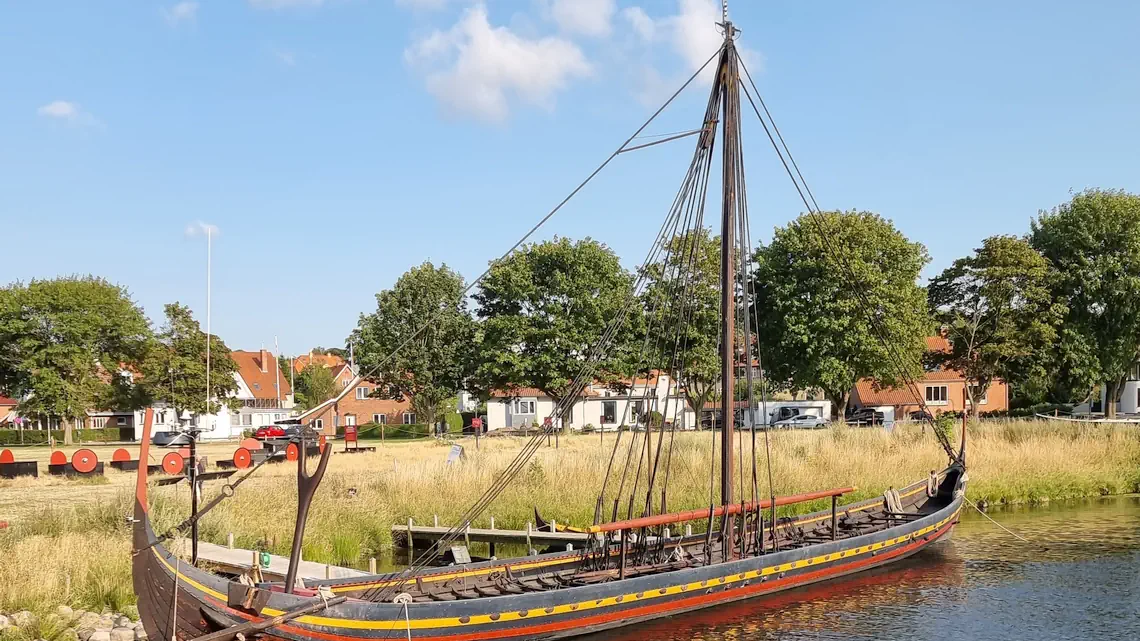
Located on Roskilde Fjord, the museum is built around five original Viking ships and offers a fascinating journey into shipbuilding, seafaring, trade, warfare and life in the Viking Age.
Visit the Viking Ship Museum from Copenhagen Airport
If you are planning a trip to Copenhagen and want to explore Denmark’s Viking heritage, the Viking Ship Museum in Roskilde is a must-visit destination. The museum is close enough for an easy day trip, but rich enough to feel like a full cultural experience outside the capital.
Booking car rental through Terminal3.dk gives you the flexibility to collect your vehicle at Copenhagen Airport and drive to Roskilde at your own pace. Once there, you can visit the museum, explore the harbour, continue to Roskilde Cathedral and enjoy one of Denmark’s most historic towns without depending on fixed train or bus schedules.
Why the Viking Ship Museum is worth visiting
The Viking Ship Museum is not just a museum about Vikings. It is a museum about ships, people, journeys and the maritime technology that helped shape Scandinavia and the wider North Atlantic world.
Visitors come to the museum for:
- The five original Skuldelev Viking ships, displayed in the Viking Ship Hall
- Roskilde Fjord views and a strong sense of place beside the water
- A working boatyard where traditional Nordic boats are built and maintained
- Seasonal sailing trips on Roskilde Fjord
- Hands-on activities, guided tours and family-friendly Viking experiences
- A deeper understanding of Viking seafaring, trade, warfare and exploration
The five original Skuldelev ships
The heart of the museum is the collection of five original Viking ships known as the Skuldelev ships. These ships were deliberately sunk in Roskilde Fjord around 1,000 years ago to create a defensive barrier protecting the route to Roskilde, which was then one of Denmark’s most important royal and religious centres.
The ships were excavated in the 20th century and carefully preserved. Together, they show the range and sophistication of Viking shipbuilding, from warships and trading vessels to cargo ships designed for different waters and purposes.
What the ships reveal about the Viking Age
The Skuldelev ships show that the Viking Age was about much more than raids. Ships connected people, goods, ideas and power across seas, rivers and coastlines. They made long-distance travel possible and helped Scandinavians trade, settle, explore and fight across large parts of Europe and the North Atlantic.
At the museum, visitors can learn how different ship types were built and used, why clinker-built wooden ships were so effective, and how sailing skills shaped Viking society.
Visit the working boatyard
One of the most interesting parts of the Viking Ship Museum is the working boatyard. Here, traditional boatbuilders recreate and maintain Nordic wooden boats using materials, tools and techniques based on Viking-age craftsmanship.
This makes the museum feel alive. Instead of only looking at preserved artefacts, visitors can see how ships were built, repaired and understood through practical work. Guided talks and demonstrations may be available depending on the season and daily programme.
Sail on Roskilde Fjord
During the sailing season, visitors may have the chance to join a boat trip on Roskilde Fjord. These trips usually take place in traditional Nordic wooden boats inspired by Viking shipbuilding principles.
The sailing experience is often active rather than passive. Guests may help row, set the sail or work together as part of the crew under guidance from experienced instructors. This is one of the most memorable ways to understand how much skill and cooperation Viking-age sailing required.
Sailing trips are seasonal and weather-dependent, so check the current timetable and book ahead if this is an important part of your visit.
Activities for families and children
The Viking Ship Museum is a strong family attraction because it combines real archaeological finds with hands-on experiences. Children can learn about Viking ships, crafts, clothing, seafaring and life by the fjord in a more active way than at many traditional museums.
Seasonal activities may include workshops, guided tours, crafts, storytelling, boatyard demonstrations and outdoor experiences. Check the daily programme before visiting, especially during school holidays and summer.
How long should you spend at the Viking Ship Museum?
Most visitors should allow at least two to three hours for the museum. If you want to join a sailing trip, attend guided tours, spend time at the boatyard or visit with children, allow longer.
The museum is also beautifully located by Roskilde Fjord, so it is worth leaving time for a walk along the harbour before or after your visit.
Combine the museum with Roskilde
Roskilde is one of Denmark’s most historic towns, and the Viking Ship Museum works perfectly as part of a wider day trip. After visiting the museum, continue into the town centre for cafés, shops, historic streets and Roskilde Cathedral.
Roskilde Cathedral
Roskilde Cathedral is a UNESCO World Heritage Site and one of Denmark’s most important churches. It is the burial church of many Danish monarchs and a natural addition to a history-focused day in Roskilde.
Roskilde Harbour
The harbour area around the museum is pleasant for walking, photography and views across the fjord. It helps connect the museum’s Viking ships with the living maritime landscape around them.
Roskilde town centre
Roskilde’s town centre offers shops, cafés, restaurants and historic streets. It is a good place for lunch or a relaxed stop before driving back toward Copenhagen.
Should you drive to the Viking Ship Museum?
Yes, the Viking Ship Museum is a very good destination for travellers renting a car at Copenhagen Airport. Roskilde is outside central Copenhagen, and a car gives you flexibility to visit the museum, the cathedral, the fjord and other nearby attractions in one day.
Once you arrive in Roskilde, use official parking areas near the museum or town centre and check local parking signs carefully. The museum, harbour and parts of Roskilde can then be explored on foot.
Why rent a car at Copenhagen Airport?
Renting a car at Copenhagen Airport is useful if your trip includes more than inner-city sightseeing. While central Copenhagen is often best explored on foot, by bike or by public transport, destinations such as Roskilde are ideal for a self-drive itinerary.
With car rental from CPH Airport, you can combine the Viking Ship Museum with Roskilde Cathedral, Lejre, North Zealand castles, Dragør, the Danish coast or other historic attractions around Zealand.
Easy places to combine with Roskilde
With a rental car, Roskilde fits well into a wider history and culture route from Copenhagen Airport.
- Roskilde Cathedral for royal history and UNESCO-listed architecture
- Lejre for Viking and Iron Age landscapes, legends and archaeology
- Frederiksborg Castle in Hillerød for royal collections and gardens
- Kronborg Castle in Helsingør for Renaissance history and the Hamlet connection
- Dragør for a historic harbour town close to Copenhagen Airport
- Copenhagen for Nyhavn, Tivoli Gardens, Amalienborg and the old city centre
Suggested Viking Ship Museum itinerary from CPH Airport
Morning: Arrive at Copenhagen Airport, collect your rental car and drive to Roskilde.
Late morning: Visit the Viking Ship Museum and explore the five original Skuldelev ships in the Viking Ship Hall.
Lunch: Eat near Roskilde Harbour, at the museum café if available, or in Roskilde town centre.
Afternoon: Visit the working boatyard, join a guided tour or take a seasonal sailing trip on Roskilde Fjord if available.
Late afternoon: Continue to Roskilde Cathedral and walk through the historic town centre.
Evening: Drive back to Copenhagen, your hotel or Copenhagen Airport depending on your travel plans.
Practical tips for visiting the Viking Ship Museum
- Check current opening hours and ticket prices before travelling.
- Allow at least two to three hours for the museum.
- Book sailing trips ahead during the summer season if available.
- Remember that sailing trips are seasonal and weather-dependent.
- Wear comfortable shoes for the museum, harbour and boatyard areas.
- Bring layers, as Roskilde Fjord can be windy.
- Use official parking areas and check local parking signs carefully.
- Combine the museum with Roskilde Cathedral for a full history-focused day trip.
Book car rental at Copenhagen Airport and explore Viking Denmark
The Viking Ship Museum in Roskilde is one of Denmark’s most important cultural attractions. With five original Viking ships, a working boatyard, seasonal sailing experiences and a beautiful location on Roskilde Fjord, it offers a vivid introduction to Viking seafaring and Danish history.
Book your Copenhagen Airport car rental with Terminal3.dk and enjoy the freedom to explore Roskilde, the Viking Ship Museum and Denmark’s best historic day trips at your own pace.